
Home Home
  • About us
    • Different fuels - overview
    • KEO
    • A/C
    • Meat and bone meal
    • Plastic-based fuel
    • Biofuel
    • Pellets
    • Tyres
  • About AFR
  • FAQ
  • Contact
    • Hans Andersson Recycling Skövde
    • Sorted combustible waste from Gotland
    • Car tyres in Skövde
  • Sustainability
  • Business Policy
Close

Please select your language

  • English
  • Svenska
Close
  • About us
    • Different fuels - overview
    • KEO
    • A/C
    • Meat and bone meal
    • Plastic-based fuel
    • Biofuel
    • Pellets
    • Tyres
  • About AFR
  • FAQ
  • Contact
    • Hans Andersson Recycling Skövde
    • Sorted combustible waste from Gotland
    • Car tyres in Skövde
  • Sustainability
  • Business Policy
Close

Search

Breadcrumb

  1. Home

Frequently asked questions

  • How can the cement industry cut ist carbon dioxide emissons by using alternative fuels?
  • How is the quality of the cement affected when you use alternative fuels? 
  • How are emissions through the chimney affected when coal and oil are replaced by alternative fuels? 
  • Couldn't the materials be recycled and reused? 
  • What happens with alternative fuels in cement kilns? 
  • What is meant by a residual product? 
  • Why does the cement industry use alternative fuels? 
  • What demands does the cement industry place on alternative fuels/residual products? 
  • What are the authorities' demands on the use of alternative fuels/residual products? 
  • What kinds of waste are used in cement kilns? 
  • Is it only the Swedish cement industry that is replacing fossil fuel with alternative fuels? 
  • Is there an increase in traffic to and from the plants? 
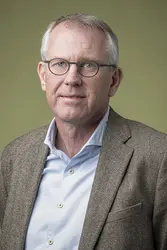
Anders Jansson

Manager Alternative Fuels NE

  • +46 708-20 85 36
  • anders.jansson​@heidelbergmaterials.com
Home Home
  • About us
  • Contact
  • About alternative fuels (AFR)
  • Different fuels
  • Good examples
  • About AFR
  • FAQ
  • Business Policy
  • Data protection
  • Cookie policy